
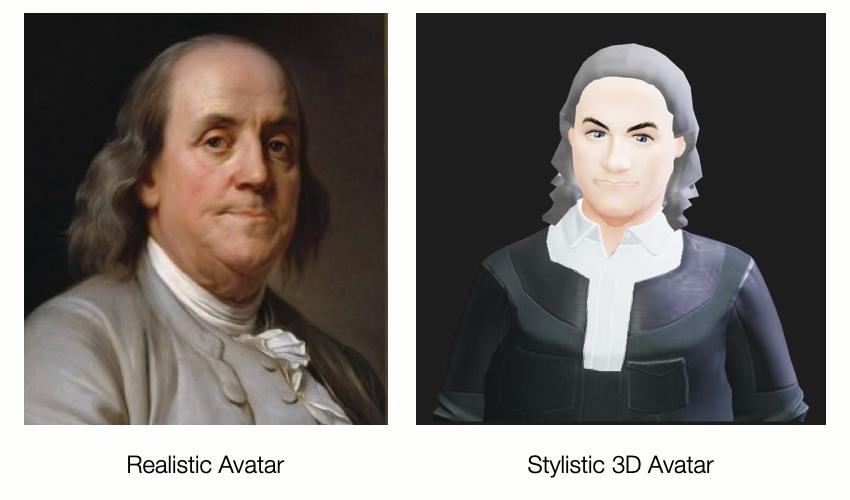
Understanding the difference between stylistic 3D avatars and photorealistic AI video avatars is essential when choosing the right solution for your needs. Both are types of generative avatars, which operate in real time. These avatars can listen to users or receive text input, and they respond with voice or text. This is different from static AI-generated videos, which do not change or respond to user interaction.
Photorealistic AI Video Avatars
Photorealistic avatars look like real people. They are ideal for premium experiences where visual realism is critical, such as:
- High-value interactions
- Predictable or scripted scenarios
- Short, impactful conversations
However, photorealistic avatars come with higher costs. They generate video in the cloud using powerful GPUs, continuously rendering every second of interaction for each user. The cost scales with usage because every additional minute requires more computing resources.
Typical cost example: A two-hour conversation with a photorealistic avatar could cost about $30.
Stylistic 3D Avatars
Stylistic 3D avatars have a more animated and creative look. They are designed for scenarios where scale and cost-efficiency matter most, such as:
- E-learning and training
- Coaching and onboarding
- Customer support and website assistants
- Virtual reality scenarios
These avatars render directly in the user's browser, using the hardware they already own, which keeps operational costs flat. After the initial creation of the avatar, there are little to no ongoing costs, making them ideal for extended or frequent interactions.
Typical cost example: A student can interact with a stylistic 3D Knowledge Avatar all month for a flat $30 subscription.
Key Differences
- Cost: Photorealistic avatars are usage-based and expensive; stylistic 3D avatars are flat-rate and affordable.
- Rendering: Photorealistic avatars run in the cloud; 3D avatars run locally in the browser.
- Use Case: Photorealistic avatars are great for realistic short-form interactions; 3D avatars excel at long-term, scalable engagement.
Choosing the Right Avatar
If your goal is to deliver a realistic human presence for short, high-value sessions, choose a photorealistic avatar. If you want users to engage frequently and cost-effectively, a stylistic 3D avatar is the better choice.
No matter which you choose, the Knowledge Avatar brain powering the interaction is the same, offering the same high-quality educational experience.